

The inherent human fascination with the unconventional, particularly when intertwined with the universally relatable subject of food and the captivating tapestry of global cultures, underpins the effectiveness of the keyword “Explain 10 Bizarre food-facts from around the world”. The term “Bizarre” acts as an immediate hook, promising a departure from the mundane and an exploration into the more peculiar and unexpected culinary traditions our planet has to offer. This element of surprise, coupled with the broad appeal of food as a fundamental aspect of human experience and a significant marker of cultural identity, creates content with substantial shareable potential. People are naturally inclined to share intriguing and unusual information, especially when it pertains to something as central to daily life as food. Furthermore, the cultural context adds another layer of interest, allowing for exploration of diverse customs and perspectives on what constitutes edible and even desirable cuisine. The numerical structure (“10 food-facts”) provides a clear framework for the content, making it easily digestible and appealing to the online audience accustomed to listicle formats. Thus, the keyword effectively combines the allure of the strange with the richness of cultural diversity, creating a compelling and shareable topic.

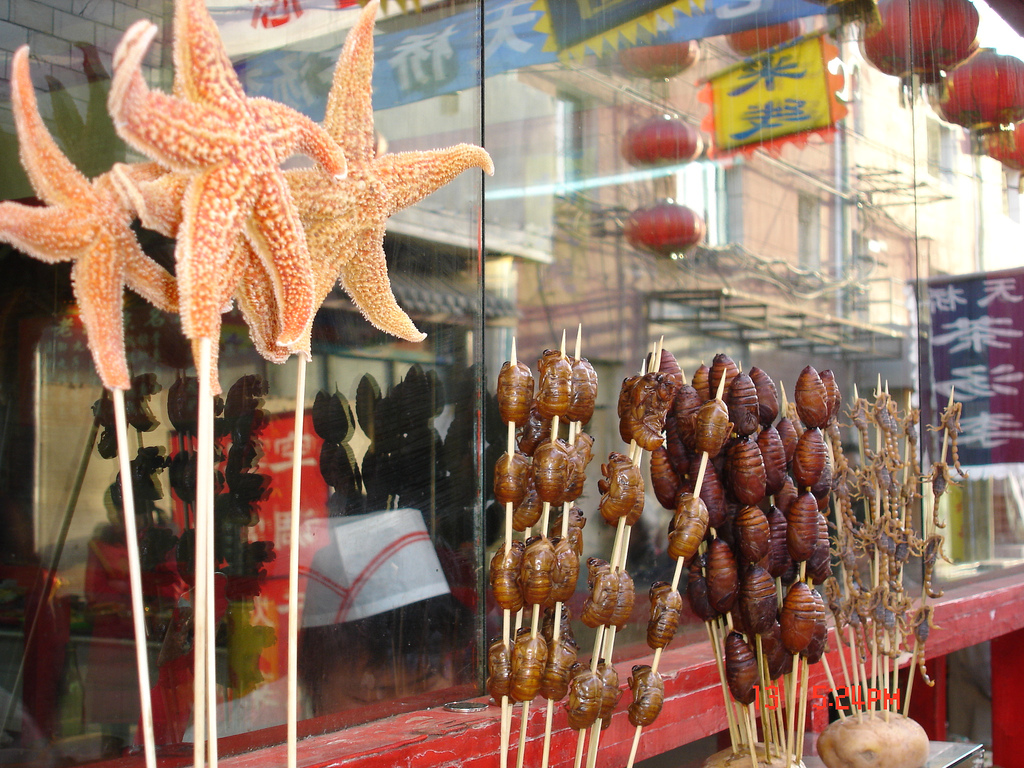
Here, we Explain 10 Bizarre food-facts from around the world that might challenge your culinary perceptions:
Casu Marzu:
The Maggot-Infested Cheese of Sardinia:
To Explain 10 Bizarre food-facts from around the world, we must begin with Casu Marzu, a sheep milk cheese hailing from Sardinia, Italy. What renders this cheese truly bizarre is its intentional infestation with live larvae of the cheese fly (Piophila casei). These tiny maggots are deliberately introduced to the cheese, where they feed on the fats, resulting in a remarkably soft, almost liquid consistency and a distinctly pungent, some might say offensive, aroma and flavor. While some adventurous (and local) gourmands consume Casu Marzu complete with its wriggling inhabitants, others attempt to remove the larvae before indulging. Due to health regulations and concerns, its sale has faced bans at times, yet it persists as a controversial and highly localized delicacy, perfectly illustrating a food tradition that sits far outside conventional Western culinary norms.
Balut:
The Fertilized Duck Embryo of the Philippines:
Continuing our quest to Explain 10 Bizarre food-facts from around the world, we encounter Balut, a unique street food staple in the Philippines and parts of Southeast Asia. Balut is essentially a fertilized duck embryo that is boiled and consumed directly from the shell. The “bizarreness” factor lies in the stage of embryonic development at which it is eaten, typically ranging from 14 to 21 days. At this point, the developing duckling exhibits recognizable features such as a partially formed beak, feathers, and bones. For many unfamiliar with this delicacy, the thought of consuming a partially developed bird, complete with its skeletal structure and soft tissues, is deeply unsettling. However, in the cultures where it is popular, Balut is considered a nutritious and flavorful snack, often enjoyed with a pinch of salt or chili vinegar.
Haggis:
Scotland’s Savory Sheep Offal Pouch:
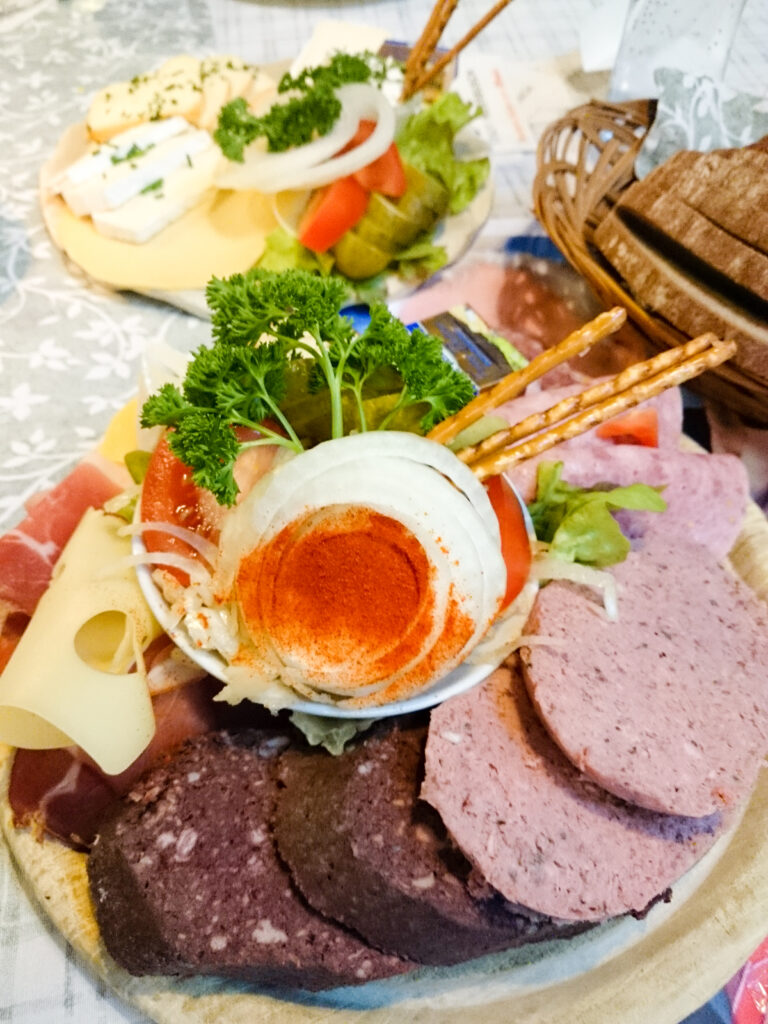
To further Explain 10 Bizarre food-facts from around the world, we journey to Scotland to explore Haggis. This national dish is a savory pudding traditionally composed of sheep’s pluck – the heart, liver, and lungs – minced together with onions, oatmeal, suet (raw beef or mutton fat), a blend of spices, and stock. The truly traditional preparation involves encasing this mixture within the sheep’s stomach lining before cooking. While the individual ingredients might not be universally considered bizarre, the inclusion of internal organs, particularly when combined and cooked within a stomach, often elicits a sense of the unusual for those unfamiliar with offal consumption. Haggis boasts a distinct, gamey flavor and a crumbly texture, and it holds significant cultural importance, particularly during Burns Night celebrations.

Hakarl: Iceland’s Fermented Shark Delicacy:
Our exploration to Explain 10 Bizarre food-facts from around the world takes us to the icy landscapes of Iceland, where we encounter Hakarl. This national dish is prepared from either the Greenland shark or the basking shark, which undergoes a unique curing process involving fermentation and drying. Fresh shark meat from these species is toxic due to high levels of urea and trimethylamine oxide. To render it edible, the shark is buried in a shallow pit with gravel, pressed with stones to expel fluids, and then hung to dry for several months. The resulting Hakarl possesses an intensely pungent, ammonia-rich odor and a powerful, often described as overwhelmingly unpleasant, taste. It is considered a highly acquired taste, and even seasoned Icelanders often recommend that first-timers hold their noses to mitigate the strong smell while taking a bite.
Witchetty Grub: Australia’s Bush Tucker Larvae:
To Explain 10 Bizarre food-facts from around the world, we travel to the Australian Outback to discover the Witchetty Grub. These are the large, white larvae of several species of moths, commonly found in the arid and semi-arid regions of the continent. For Aboriginal Australians, Witchetty grubs have been a vital and traditional food source for millennia, rich in protein and fat. They can be consumed either raw or lightly cooked. Raw, they are said to have a mild, nutty flavor, while cooking imparts a taste reminiscent of chicken or scrambled eggs. The “bizarre” aspect for many non-Indigenous cultures lies in the appearance and texture of these large, somewhat squishy grubs, highlighting the cultural differences in what is considered a palatable and nutritious food source.
Sannakji: Korea’s Live Octopus Dish:
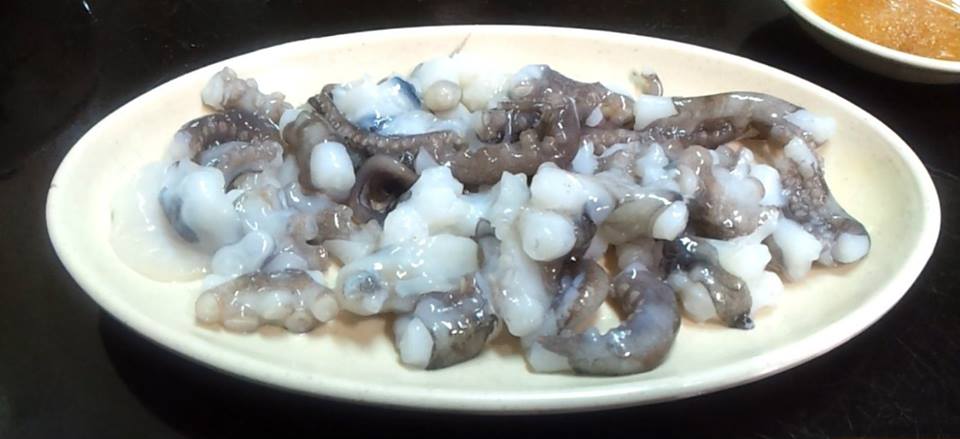
Continuing our attempt to Explain 10 Bizarre food-facts from around the world, we delve into Korean cuisine with Sannakji. This unique type of hoe (raw dish) features small octopus that are freshly killed, chopped into small pieces, and then seasoned with sesame oil and sesame seeds. The truly remarkable and somewhat unsettling aspect of Sannakji is that the octopus pieces are still moving on the plate due to residual nerve activity. The tentacles can writhe and even suction onto the mouth or throat if not chewed meticulously. This dish emphasizes extreme freshness and presents a daring culinary experience for those willing to partake in just-killed, still-moving seafood.

Century Egg: China’s Preserved Poultry Product:
To further Explain 10 Bizarre food-facts from around the world, we explore the enigmatic Century Egg, also known as pidan, a preserved egg product in Chinese cuisine. Typically made from duck, chicken, or quail eggs, these are preserved in a mixture of clay, ash, salt, quicklime, and rice hulls for a period ranging from several weeks to months. The preservation process dramatically alters the egg’s appearance and texture. The yolk transforms into a dark green to grayish-black hue, while the egg white becomes a translucent, dark brown jelly. The aroma is often described as pungent, with notes of sulfur or ammonia. Despite its name, the preservation time is far less than a century, but the resulting appearance and smell can be quite startling to the uninitiated.
Fried Tarantulas: Cambodia’s Crispy Arachnid Snack:
Our journey to Explain 10 Bizarre food-facts from around the world takes us to Skuon, Cambodia, where fried tarantulas are a regional delicacy. Large tarantulas, typically of the Haplopelma albostriatum species, are deep-fried in oil, often with garlic and salt, until their exterior becomes crispy while the inside remains slightly tender. The flavor is often described as somewhat nutty with a hint of a metallic aftertaste. The act of consuming spiders, particularly large, hairy ones, is considered highly unusual and often evokes fear or disgust in many Western cultures, highlighting the starkly different culinary norms that exist around the globe.
Kopi Luwak: Indonesia’s Civet Cat Coffee:
To Explain 10 Bizarre food-facts from around the world, we encounter Kopi Luwak, a highly prized and expensive coffee originating from Indonesia. What makes this coffee bizarre is its unique production process. Asian palm civets, small cat-like mammals, consume ripe coffee cherries. During digestion, enzymes in the civet’s digestive tract break down certain proteins in the cherries. The civets then excrete the undigested coffee beans, which are collected, meticulously cleaned, and then roasted to produce the final coffee. The fermentation process within the civet’s gut is said to impart a distinctive, smooth flavor to the coffee. While the resulting brew is highly sought after, the origin of the beans is undeniably unusual and might be considered bizarre by some coffee drinkers.
Rocky Mountain Oysters: North America’s Testicular Treat:
Finally, to Explain 10 Bizarre food-facts from around the world, we explore a seemingly seafood dish that is anything but: Rocky Mountain Oysters. Found in parts of the Western United States and Canada, these “oysters” are actually bull, bison, or sheep testicles that are peeled, flattened, coated in flour, pepper, and salt, and then deep-fried. Often served as an appetizer, this regional delicacy carries a euphemistic name that belies its true origins. The consumption of animal testicles is not a common practice in many parts of the world, making this dish a surprising and somewhat bizarre culinary curiosity for those unfamiliar with it.


These ten examples serve to Explain 10 Bizarre food-facts from around the world, illustrating the vast and often unexpected diversity of human culinary practices. What one culture considers a delicacy, another might find utterly repulsive. These food-facts not only pique our curiosity but also offer a fascinating glimpse into the cultural, environmental, and historical factors that shape our global gastronomic landscape.
Pingback: 10 Foods That Exist Only Because Someone Made a Mistake !Origin stories of food accidents gone viral. -