

The Science Behind Cleaning Products is an integral part of our daily life. We use different cleaning products to keep our homes, clothing, and cleaning our bodies. But have you ever wondered, how do all these cleaning products really work? Behind this is a complex but fascinating science of chemistry. Cleaning products are mainly designed to remove dirt, grease, and germs, which are done through chemical reactions and physical processes. The various ingredients used in these products make synergy with each other, so that the hardest spots can be easily removed. Mixed with water, they create an environment where it is possible to be washed by water by detach dirt, and germs are destroyed.
In general, The Science Behind Cleaning Products makes the mess as water-soluble or suspend it in such a way that it can be washed easily. Oil, fat, and grease are usually not soluble in water, so special materials are needed to clean them. Surfactants play a key role in this regard, which helps reduce the surface and mix the mess in the water. In addition, some cleaning products contain strong ingredients such as enzymes or bleach, which chemically breaks the organic matter or color. The correct combination of all these elements impacts a cleaning product and keeps us clean and healthy.

Surfactants: the real craftsman of cleaning
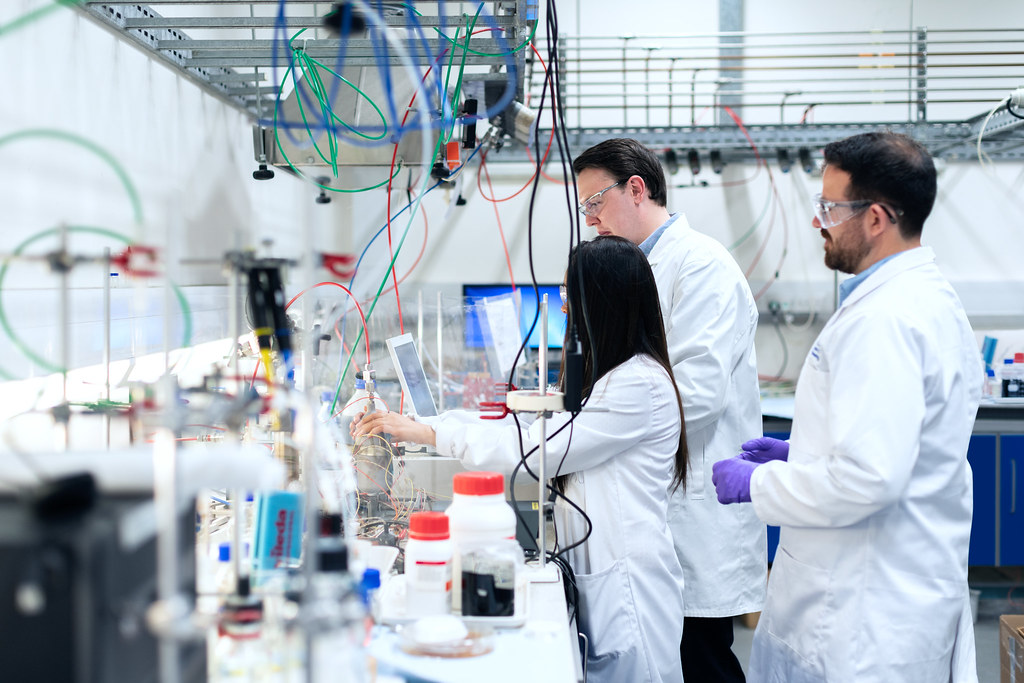
One of the main components of The Science Behind Cleaning Products is surfactants, which is a short form of “surface active agent”. A special feature of these is that they have two different ends of molecules-one hydrophilic or water-lover and the other is hydrophobic or hydrophobic or hydrophobic. The hydrophobic edge is attracted to the dirt like oil, fat or grizz, while the hydrophilic edge is facing the water. When the surfactants come into the dirt and water, the hydrophobic part takes around the dirt and divides the dirt into small particles.
These small dirt particles are called micellle, where the dirt molecule is stuck in the center of the molecule and the hydrophilic edges of the surface molecule face the water outside. As a result, the dirt that is not usually mixed with water is now suspended in the water in the form of Mysel. It lowers the surface, which can easily spread on the surface and help to lift the dirt from the inside. Through this process the dirt is separated from the surface and mixed with water and easily washed, which forms the basis of The Science Behind Cleaning Products.
Enzyme and Bleach: Special solution for certain types of dirt
Not only surfactants are used in many cleaning products, but also more powerful ingredients such as enzymes and bleach (bleach) are added. The Science Behind Cleaning Products uses enzymes as biological catalists, capable of breaking certain types of organic dirt. For example, protease helps to break the enzyme protein-based spots (such as blood, grass, food), lipase (lipase) is effective for fat and oil-based spots, and amylase eliminates starch-based stains (such as potato, pasta). The enzymes change the molecular structure of the dirt and turn them into small, water-soluble fragments, which can be easily washed. They can be effective at low temperatures and low amounts of detergents, which are convenient for the environment.


Bleach, on the other hand, is a strong oxidizing agent, which is used to destroy germs and remove colorful spots. Chlorine bleach (such as sodium hypochlorite) and oxygen bleach (such as hydrogen peroxide or sodium percorbonate) are two main types in The Science Behind Cleaning Products. Bleach breaks the color of the spots chemically, causing them to become colorless. It destroys the cell wall of the bacteria and the virus and destroys their effectiveness, thereby disinfecting the surfaces. However, the caution should be taken when using bleach because it can damage the color or surface of some fabrics.
Acid and Alley: PH-play
The role of PH is very important in the functioning of The Science Behind Cleaning Products. Some cleaning products are acidic (such as toilet cleaner or limited remover) and some alkaline (eg oven cleaner or detergent). Acidic cleaners are commonly used to remove mineral freezing (such as calcium or rust). The acid reacts with these frozes and makes them soluble, which can be easily washed. For example, citric acid or hydrochloric acid is used to clean lime stains and rust.
On the contrary, alkaline cleaners are effective for oil, grease and protein-based dirt. High pH quality cleaners convert fat and oil into soaps through saponification process, which is soluble in water. Ingredients such as sodium hydroxide (caustic soda) or ammonia are used in oven cleaner or drain cleaner because they efficiently break fat and protein. Selecting the correct PH quality cleaner is the most effective against certain types of dirt and makes the cleaning process faster and easier for The Science Behind Cleaning Products.
Absesevas and Disinfects: Excessive Clean and Protection
Abrasives or abrasive particles are added to some cleaning products. These particles can be soft or moderate stiffness (such as silica, feldspar or calcium carbonate), and they help to remove solid dirt or scars on the surface. For example, they are used in scrubbing powder or abrasive cleaning cream, which is effective in removing stubborn spots, burnt foods or rust according to The Science Behind Cleaning Products. However, abuse is to be careful when using, as it can damage the surface of soft or polished.
Also, disinfectants (disinfectants) are used in many cleaning products to prevent germs. Disinfects kill or disable the microorganisms such as bacteria, viruses and fungi. Examples of general disinfectants, such as chlorine-based compounds, alcohol, quats (quats), etc. They are used in high-risky places like healthcare organizations, kitchen and bathroom so that the spread of infection can be prevented. These elements play a very important role in maintaining a clean and disinfect environment, which is not only clear, but also healthy in The Science Behind Cleaning Products.

Conclusion:
In essence, The Science Behind Cleaning Products is a sophisticated interplay of chemistry and physics, transforming the mundane task of cleaning into an efficient and effective process. From the ingenious dual nature of surfactants to the targeted action of enzymes and bleach, and the precise role of pH manipulation with acids and alkalies, each component is scientifically engineered. Furthermore, the inclusion of abrasives provides mechanical scrubbing power, while disinfectants ensure a hygienic, germ-free environment. Understanding The Science Behind Cleaning Products not only reveals the clever design within each bottle but also empowers us to choose and use these products more effectively and safely for a truly clean and healthy living space.