

If you could breathe underwater, there would have been an unprecedented change in the history of our world and human civilization. This power is not just a fictional matter, but it would also bring revolution to every level of life. An aquatic environment three times the size of the land would open up to humans, which would usher in a completely new horizon of new inventions, habitats, and ways of life. The deep mystery of the sea, its immense resources, and unknown biodiversity would have come into the hands of the people.
This power would deeply influence our physical structure, social behavior, economy, and culture. Instead of our lungs, gills or similar respiratory organs might form, capable of absorbing oxygen from the water. Eye structure would also change to see clearly underwater, and perhaps new strategies for body temperature control would develop. Urban life would extend to the depths of the sea, where new types of housing and transportation made with glass or special materials would be developed if you could breathe underwater.

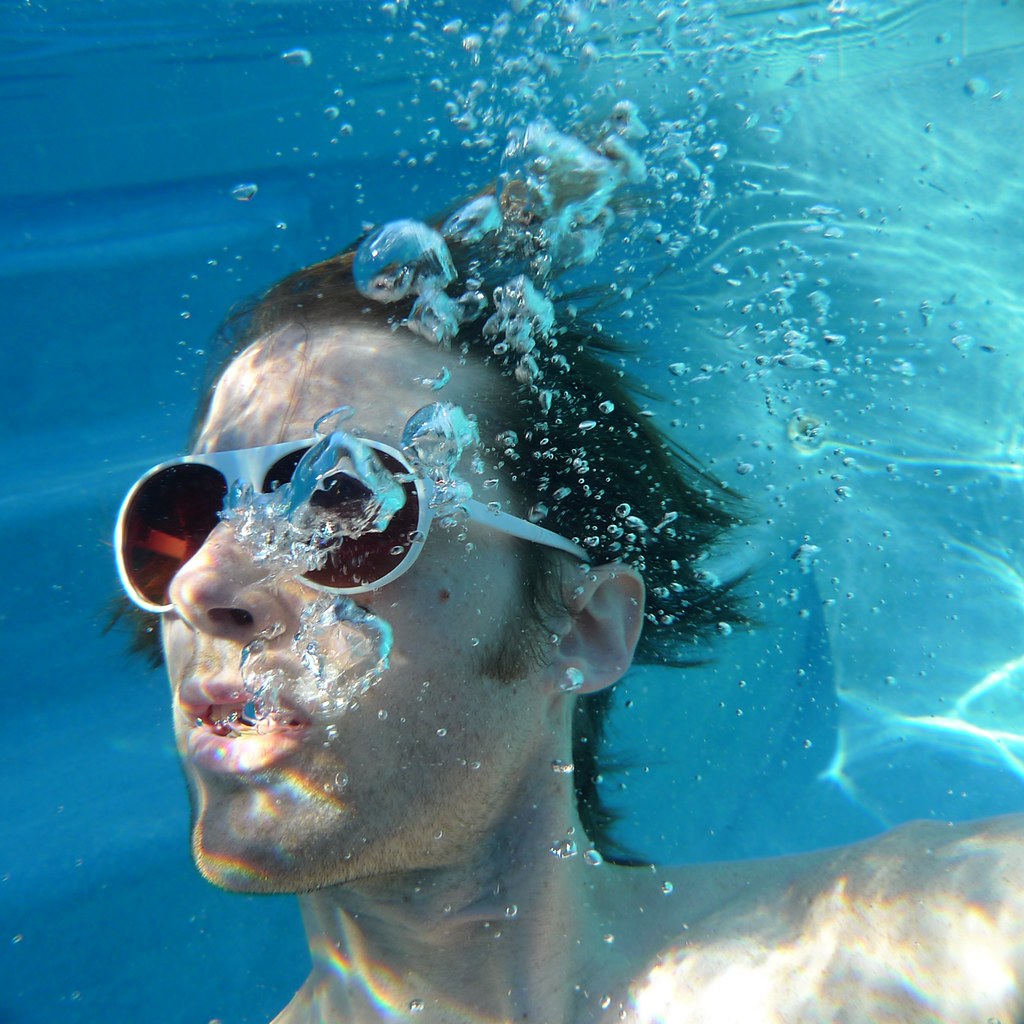
Physical and Biological Changes:
If you could breathe underwater, our bodies would have to adapt to challenges like deep-water pressure, temperature, and lack of oxygen. Probably, our lungs would be transformed into specialized organs (such as fish gills) that are able to absorb oxygen directly from the water. These gills would work through a dense net of blood vessels, taking oxygen from the water, mixing it with blood, and releasing carbon dioxide. Human blood might have more effective hemoglobin for transporting oxygen, which could also work in low-oxygen environments.
The structure of the eye would also change. The amount of light underwater is low, and it is refracted differently. So, human eyes might have been even bigger, or special lenses would have been created that would help see clearly in low light and accommodate water’s refractive properties. Echolocation, like dolphins, could also be developed by using echoes, which would help navigate the dark, deep sea. New arrangements would also be created to control body temperature, as deep-water temperatures are much lower than on land. Perhaps the metabolism in the body would slow down, or a dense layer of fat, like that in marine mammals, would serve as insulation if you could breathe underwater.
New Housing and Infrastructure:
The ability to breathe underwater would give humankind the opportunity to build new housing and infrastructure. At the bottom of the sea, it would be possible to create stable structures within seafloors or deep caves. Transparent domed cities made of glass, acrylic, or high-strength polymer would be built, allowing natural light to enter and outer aquatic life to be seen. These cities would utilize sea currents, geothermal energy, or salinity differences for power and water.

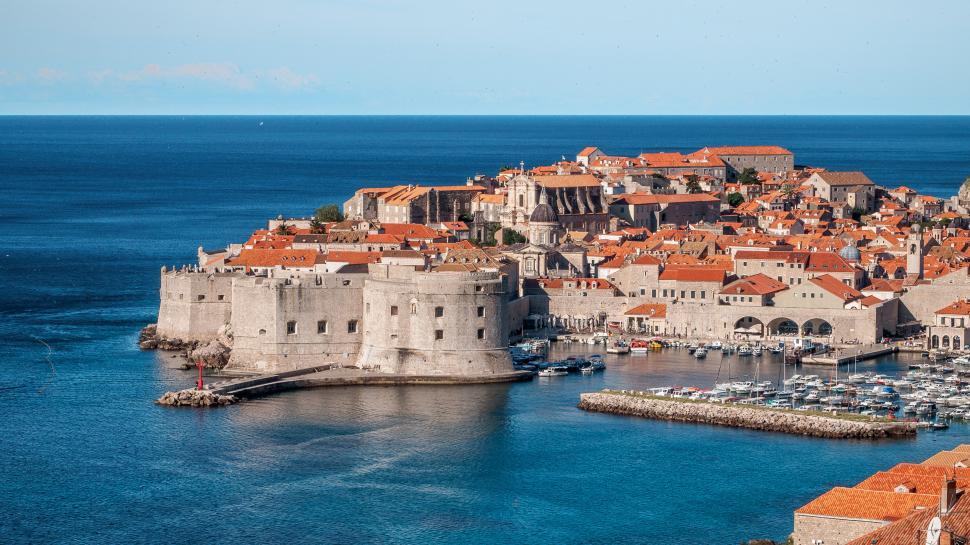
There would also be a radical change in the transportation system. Instead of conventional roads, hydrodynamic tunnels or underwater cable car systems would be created. Private submarines or human-driven submersibles would become common vehicles. Even underwater farms would be built where marine algae, fish, and other aquatic animals would be cultivated, serving as a source of food and other resources, all made possible if you could breathe underwater.
Economics and Prospects of Resources:
The sea is the largest and most unexplored treasure trove of the world’s wealth. The ability to breathe underwater would open the way to explore and collect these resources. A large amount of mineral resources (such as manganese nodules, cobalt, nickel), rare metals, and fossil fuels would come within reach of people. As a result, the direction of the global economy would change completely, and the bottom of the sea would become a source of new mineral resources.
Also, new pharmaceutical compounds, ingredients for biotechnology, and new types of food items could be discovered from the sea. The biodiversity of the sea could be a source of numerous new drugs, enzymes, and genetic information for humans. The tourism industry would also change drastically; underwater hotels, submerged parks, and explorations of the depths of the sea would become new attractions for tourists, particularly if you could breathe underwater.
Social and Cultural Impact:
The ability to breathe underwater would have a profound effect on the social structure and culture of the people. A new fascination for discovering the depths of the sea would emerge, fulfilling human curiosity and the desire for adventure. New types of sports, arts, and entertainment would be created, centered on the aquatic environment. For example, underwater racing competitions, dance performances, or photographic exhibitions could become popular.
Human relationships with the sea would become even closer. Perhaps new types of professions would be created, such as sea farmers, aqua-architects, or deep-sea explorers. Human society would become more connected to the water environment, and a deeper respect and awareness of the sea would be fostered. New kinds of religious beliefs or spiritual practices could develop, centered on the mystery of the sea, especially if you could breathe underwater.

Challenges and Dangers:
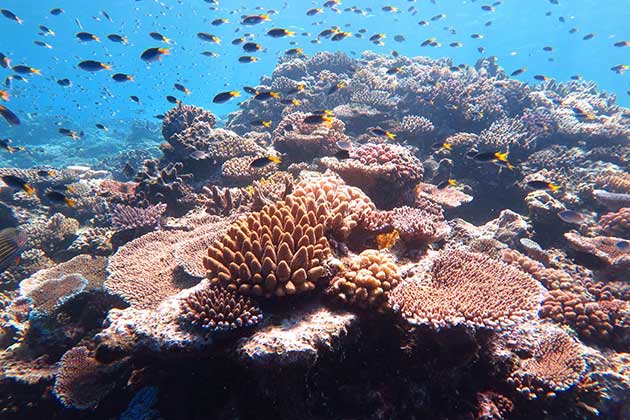
Although the ability to breathe underwater would create numerous opportunities for people, it would also bring some challenges and dangers. Deep-water pressure and a dark environment would create emotional and physical stress. In the deep sea, unknown organisms, toxic substances, or dangers from hydrothermal vents would need to be managed. Protecting the stability of the underwater environment and preventing pollution would be a huge challenge, because people could easily damage this sensitive ecosystem through their activities, even if you could breathe underwater.
In conclusion, if you could breathe underwater, it would not only be a biological change but would also alter the path of human civilization. With new inventions, new lifestyles, and new challenges, people would enter a new horizon, where both the land and the water would become fields of human endeavor.