


Waking up at 3 AM every night can be a mystic uncanny and unnerving acquaintance with, leaving many to wonder why it occurs. While some ascribea this phenomenon to non-material or supernatural forces, science offers a more well-reasoned clarification.
The “witching hour” is a term used to describe the time between 3 AM and 4 AM, when many people tell of waking up. This concept has its radicles in ancient cultures, where it was believed that the mantilla between the living and the dead was at its thread-like during this hour. Some spiritual Conventional associate 3 AM with spiritual awakening, divination and relatedness to the divine.
From a scientific perspective, waking up at 3 AM can be ascibed to the body’s innate sleep cycles. A typical sleep cycle lasts around 90-120 minutes, with the deepest sleep taking place through out the time of the first two cycles. As the night progresses, sleep cycles become brighter, making it trouble free to wake up.
Stress and anxiety can also contribute to waking up at 3 AM. When we’re under stress, our bodies produce cortisol, a hormone that regulates our sleep-wake cycle. Elevated cortisol levels can disrupt sleep patterns, leading to frequent wakings during the night.

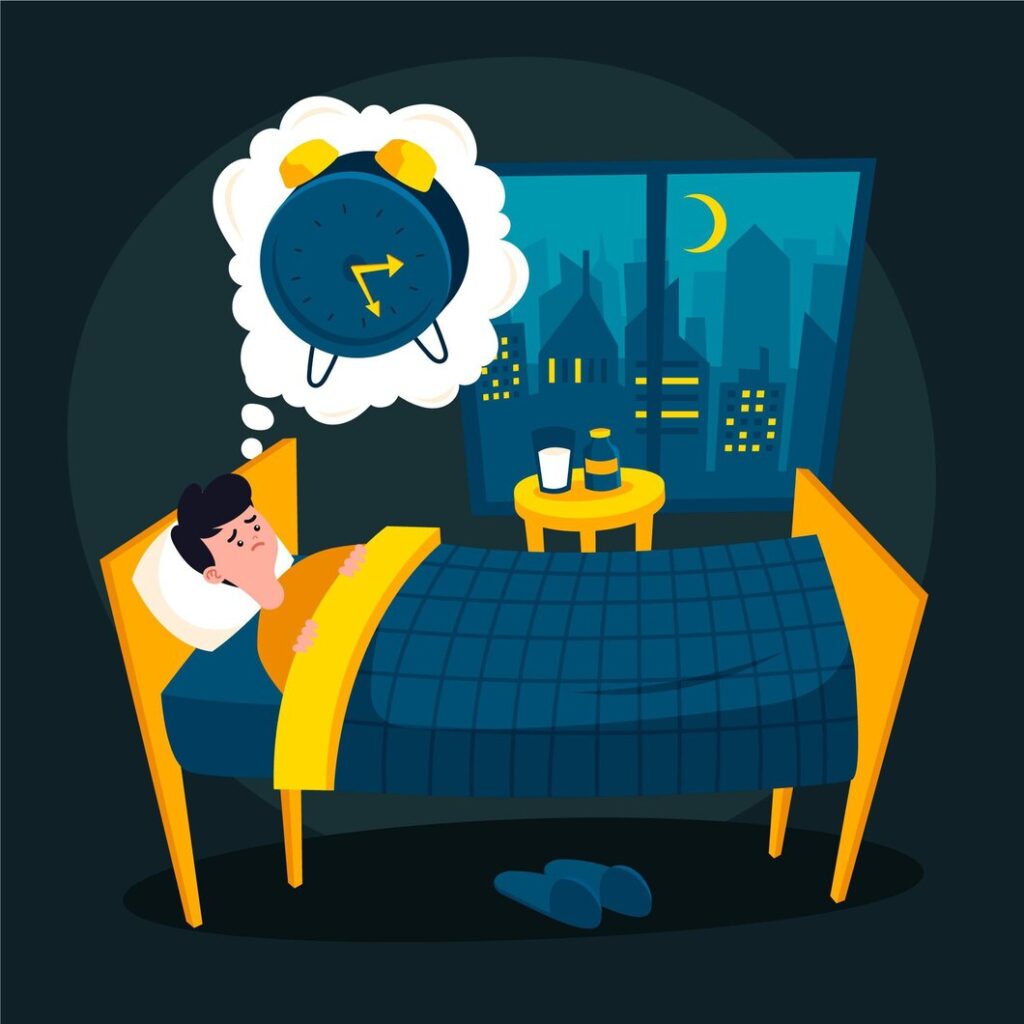
Other factors that might contribute to waking up at 3 AM include:
– Sleep disorders, such as insomnia or sleep apnea
– Certain medications or substances that affect sleep
– Hormonal changes or imbalances
– Poor sleep habits or environment
– Underlying medical conditions, such as chronic pain or sleep disorders
While the spiritual significance of 3 AM may be intriguing, it’s essential to consider the scientific explanations for waking up during this hour. By addressing underlying sleep issues, managing stress, and establishing a consistent sleep routine, individuals can work towards improving their sleep quality and reducing the likelihood of waking up at 3 AM.
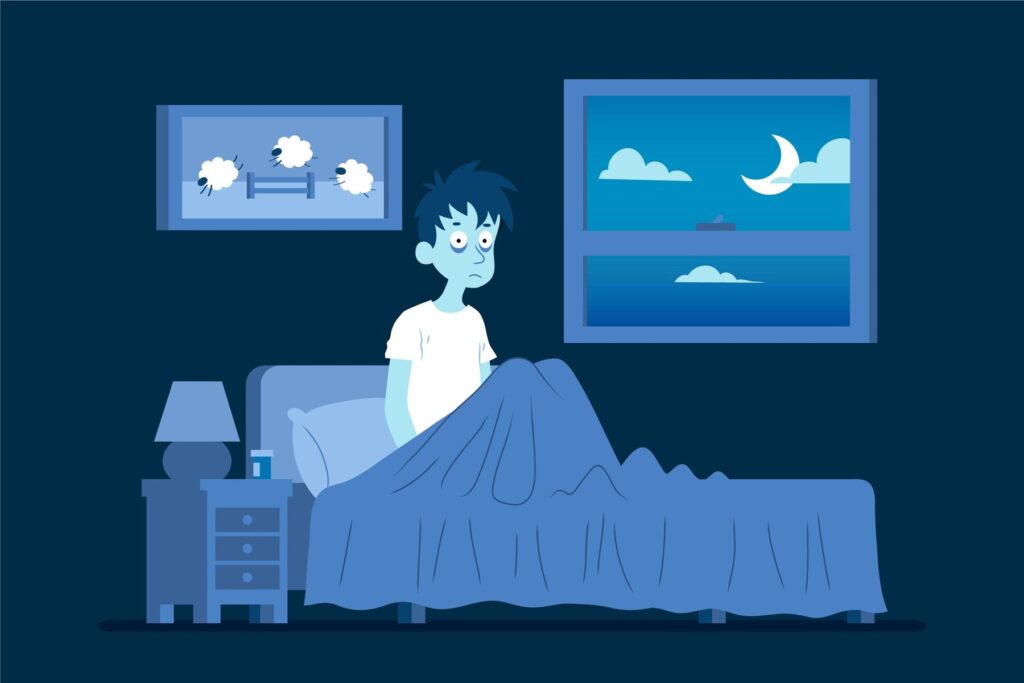
Some strategies to promote better sleep and reduce 3 AM wakings include:
– Establishing a consistent sleep schedule
– Creating a relaxing sleep environment
– Avoiding stimulating activities before bedtime
– Practicing stress-reducing techniques, such as meditation or deep breathing
– Limiting exposure to screens and electronic devices before bed
By understanding the underlying causes of 3 AM wakings and implementing strategies to improve sleep quality, individuals can work towards a more restful and rejuvenating sleep experience.