

Earth’s Tectonic Plates and Island Origin
Our world is not just a fixed stone, but its surface is divided into numerous large pieces, known as tectonic plates. These plates hold both the bottom of the sea and the continental terrain and are moving very slowly on the Earth’s mantle. Over the years, the movement of these plates has dramatically changed the geological structure of the world, one of which is the creation of new islands. When these plates are pushed towards each other, move apart, or slide past each other, severe geological activity occurs at their borders. These processes give birth to different types of islands, some of which change their position over time, becoming true moving islands.
One of the major processes of island creation is volcanic activity, which often occurs at the border of a tectonic plate. When an oceanic plate goes down another oceanic plate (called subduction), the plate below melts at the warm level of the mantle. This molten rock, or magma, comes up to the top because of its lighter density and produces volcanoes on the bottom of the sea. With continuous eruptions, these volcanoes grow larger and eventually rise above sea level, known as an island. These types of islands are often located in a row like an arch or a bow, known as an Island Arc, and they are a living example of the Earth’s movements, demonstrating how mobile islands emerge.

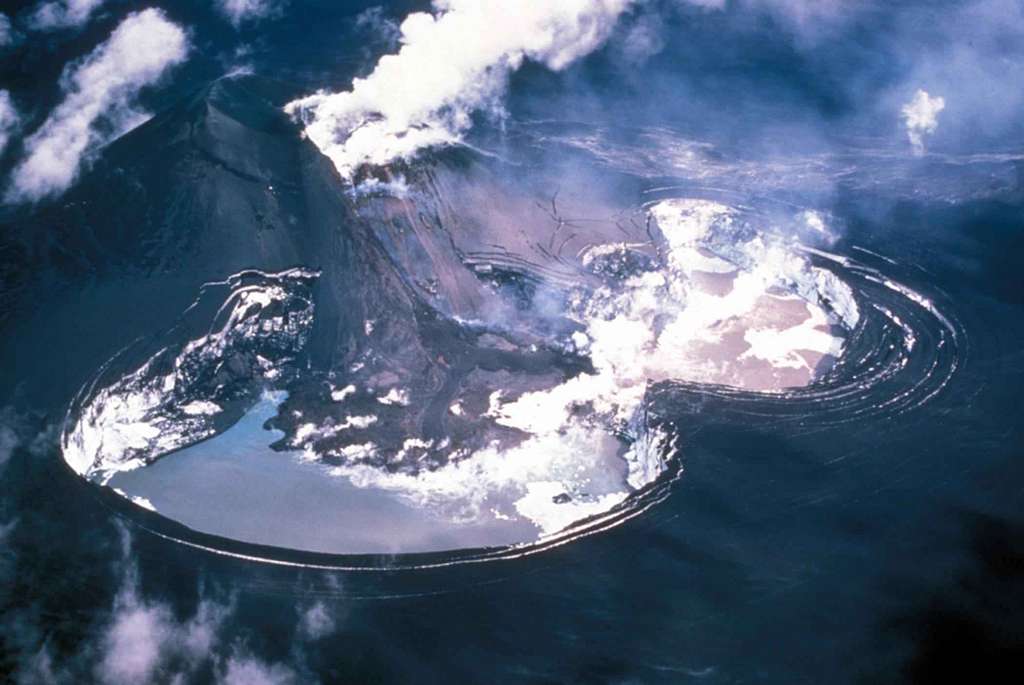
Hotspot and Island’s Migration Process:
Another important way to create an island through volcanic activity is via a hotspot. Hotspots are not on the border of the tectonic plate but rather are certain warm areas in the middle of the plate, from which magma constantly rises upward. When a plate moves slowly over this hotspot, the magma emitted from the hotspot creates new volcanoes. As the plate continues, the newly formed island moves away from the hotspot, and a new volcano or island is formed over the hotspot. If this process continues for a long time, an island chain or “island chain” is formed, where the oldest island is located farthest from the hotspot, and the new island is near the hotspot. The Hawaiian Islands are an excellent example of this type of moving island formation. Here, the Pacific Plate is moving over a fixed hotspot, leading to the formation of new islands while the old islands are moving away.
These plates not only form new islands but also transfer existing islands. Although this arrangement is only a few centimeters a year (equal to the speed of human nails), for millions of years, this small course can be combined to move the islands thousands of kilometers away. For example, if an island is located on a certain tectonic plate, and if that plate moves north, the island will move north too. This long-term process affects the geographical layout of the islands and their natural properties. It is also a reason that explains the current location of the Earth’s continents, which have been transferred due to plate tectonics for billions of years. This demonstrates the profound impact of mobile islands on global geography.
Island Structure:
The structure of the island is not limited to volcanic eruptions, but some islands are also formed through sedimentation or coral reefs. Sediment islands are usually formed as a result of the accumulation of silt, sand, and mud carried by large rivers or sea currents. This type of island is found at the mouth of the river or in the shallow sea. On the other hand, coral islands are formed by the accumulation of millions of small marine organisms. These corals grow in warm, shallow, and transparent water of the sea, and their calcium carbonate accumulated over time and formed a coral wall, which once took the form of an island. Such moving islands are extremely sensitive to sea-level changes and climate change. The process of this formation affects the geological history of the islands and their environmental features.

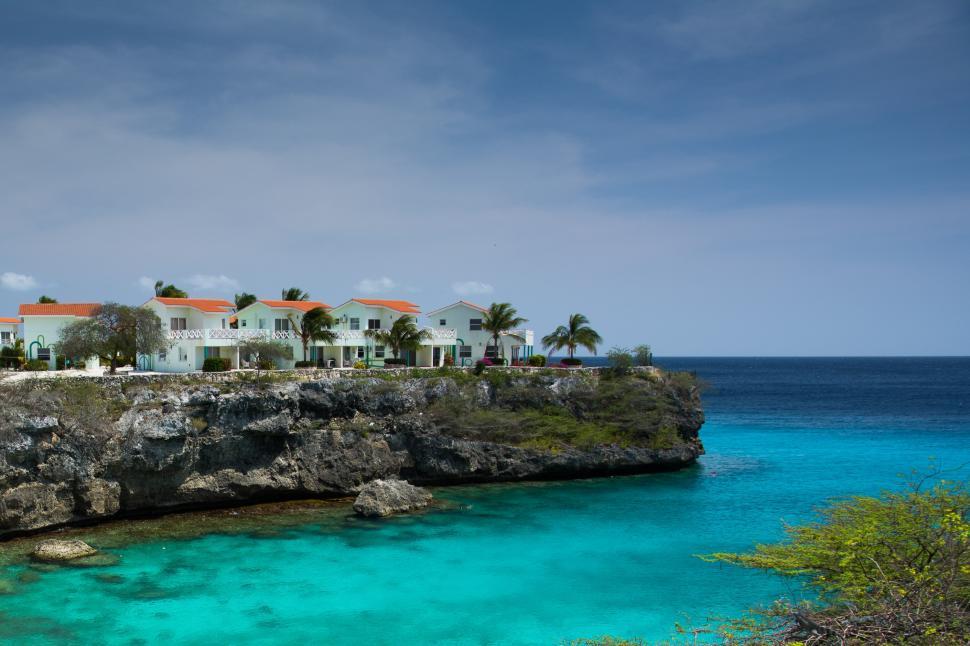
These moving islands serve as a living laboratory for scientists. These islands provide geologists invaluable information about the internal processes of the Earth, the movement of plate tectonics, and the behavior of volcanic activity. For example, by determining the age of the rock from the chains of the island, the speed and direction of the plate’s movement can be found. Also, these islands play an important role in understanding the causes of natural disasters such as earthquakes and tsunamis and their forecasts. Their arrangement and activity prove the dynamic nature of the Earth and its continuous evolution.
Environmental Impact and Ecosystem:
The geological activity of the moving islands not only affects their structure but also greatly affects their environmental characteristics and ecosystems. The lava and ash produced from the volcano create soil that is mineral-rich and fertile for the growth of new plants. However, frequent eruptions can destroy existing plant and animal life and make major changes to the island ecosystem. Life is gradually colonized on newly formed islands, which is an excellent example of the primary succession process. Here, the new species are able to adapt themselves to hostile environments and build a new ecosystem.
The isolation of these islands helps to develop their unique biodiversity. Due to being isolated from the mainland, many plants and animal species originated on these islands that are not found anywhere else in the world; that is, they are local or endemic species. These species adapt to the environment and gain their own characteristics. For example, Charles Darwin’s study of a variety of Finch birds in the Galápagos Islands helped him to develop his evolutionary theory. However, these isolated ecosystems are extremely sensitive to external effects, such as the infiltration of aggressive species or climate change. Changes in the mobile island and their environment have a long-term impact on the adaptation and evolution of species.
Human Settlement and Challenges:
Human settlement and living are always challenging on moving islands. Although the fertile volcanic soil of some islands can be attractive for farming, the risk of natural disasters such as volcanic eruptions, earthquakes, and tsunamis is a major threat to the residents here. Despite these risks, human settlements have long been developed on many of the world’s moving islands, and people here have been able to adapt themselves to the environment. They have learned to coexist with nature, and their lifestyle, culture, and economy are intimately involved with this geographical position.
Tourism is an important part of the economy of these moving islands. Hawaii, Iceland, or Japan—such islands attract tourists around the world for their natural beauty, volcanoes, and unique cultures. However, it is very important to adopt a sustainable tourism policy to avoid excessive pressure on the environment and negative impacts on the local community due to tourism. Also, advanced disaster management and forecasting systems for protecting life and resources from natural disasters are very important on these islands. Both the government and the local community have to work together to face this challenge.

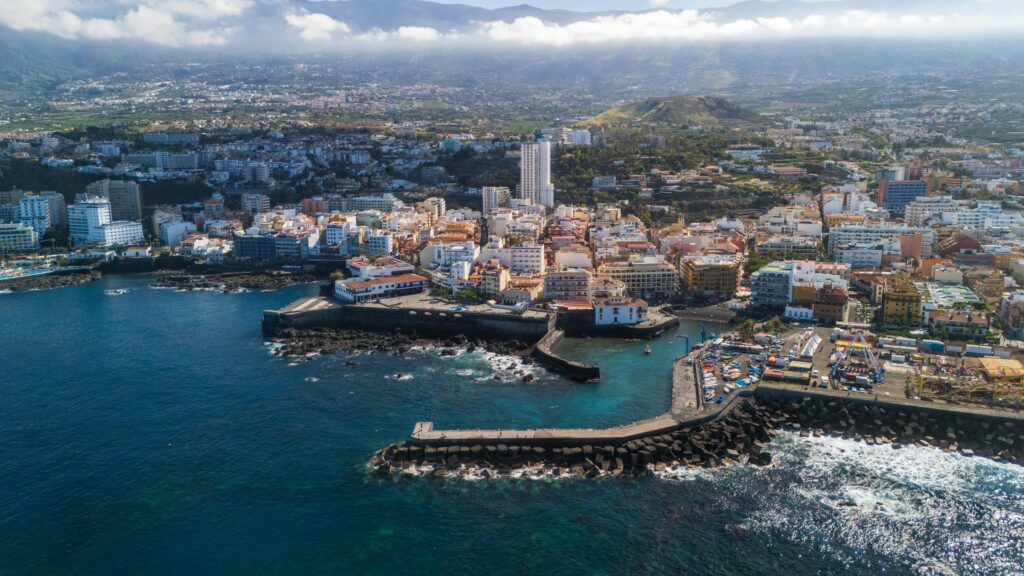
Conclusion: The Symbol of Earth’s Dynamics
The “moving island” is a remarkable symbol of the endless mobility of our Earth. The movements of the tectonic plates, the magma from the hotspot, and the growth of the coral wall—all these processes combine to create new lands and transfer the existing islands. These islands are not only geographical properties but also a living laboratory that provides us deep insight about the internal strength of the Earth and its continuous evolution. They remind us that the world is not a fixed object, but it is a living entity that is constantly changing for millions of years.
The impact of this variability is not only limited to geology, but it also has a far-reaching impact on the ecosystem, biodiversity, and human society. The movements of the mobile islands teach us how small we are and how we have to coexist with our environment by natural rules. It is our responsibility to preserve these valuable natural resources for future generations and raise awareness about their geological and environmental importance.
Pingback: India's Barren Island :The Island That Has Been Burning for Decades -