
Our bodies are constantly at risk of being infected by numerous germs, such as bacteria, viruses, fungi, and parasites. Among these, viruses are the smallest yet incredibly clever. They can’t replicate on their own; for that, they require living cells. When a virus enters our body and infects the cells, How Your Immune System Fights Viruses becomes apparent as our immune system, or defense mechanism, springs into action. This complex and highly organized system protects us from these invaders. The immune system is broadly divided into two main branches: the innate (normal) defense system and the adaptive defense system. These two systems work together to identify the virus, destroy it, and create memories to protect the body from future attacks by the same virus.
The Initial Resistance of the Innate Defense System
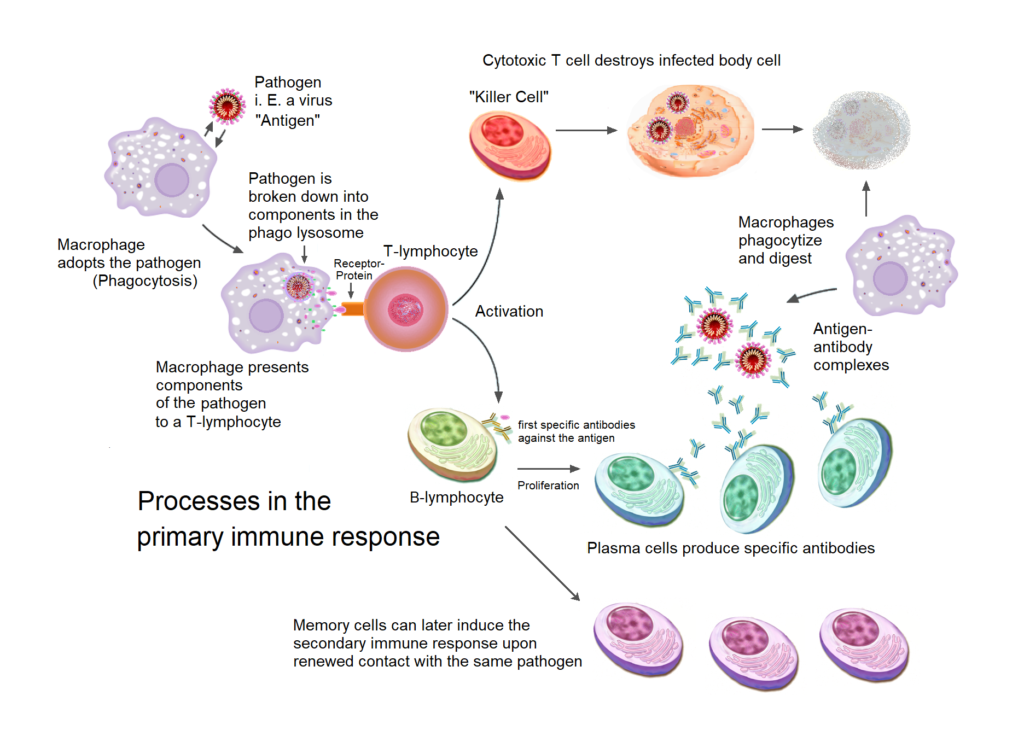
When a virus enters our body for the first time, How Your Immune System Fights Viruses begins with the innate immune system responding with immediate speed. It’s the first line of defense, which doesn’t target a particular virus but is ready to resist any external attacker. This system includes our skin and mucous membranes, which create a physical barrier and prevent the virus from entering the body. If the virus can penetrate this barrier, some cells inside the body are quickly activated. Among these are phagocytes, such as neutrophils and macrophages, who engulf or “consume” viruses and infected cells. In addition, Natural Killer (NK) cells directly recognize and destroy the virus-infected cells. This process helps to quickly control the infection and gives the adaptive immune system the necessary time to be fully active.
The Adaptive System’s Specific Response:
After the normal defense system resists the initial attack of the virus, How Your Immune System Fights Viruses continues as the adaptive immune system is activated. It’s a more precise and powerful part of the immune system, which works against a certain virus. The two main components of this system are T-cells and B-cells. When a virus enters the body, antigen-presenting cells (APCs) collect parts of the virus or antigens and present them to the T-cells. Helper T-cells are then activated, which signal other immune cells, such as B-cells and cytotoxic T-cells, to work effectively. Cytotoxic T-cells directly recognize the virus-infected cells and destroy them so that the virus can no longer spread. This process plays an important role in eliminating the source of infection.
Antibody Production and Disabling the Virus:
Another important aspect of How Your Immune System Fights Viruses is the role of B-cells, especially in the production of antibodies. Helper T-cells help activate B-cells, which then turn into plasma cells and produce a large amount of antibodies. An antibody is a Y-shaped protein, which connects to the specific antigen of the virus. These antibodies can disable the virus in various ways. For example, they can prevent the virus from connecting to cells (neutralization), gather the virus particles together so that phagocytes can easily consume them, or help to identify infected cells so that other immune cells can destroy them. This precise and powerful attack of antibodies plays a very effective role in eliminating the virus from the body, and this is one of the bases of our virus-resistor capacity.
Immunological Memories: Future Protection:
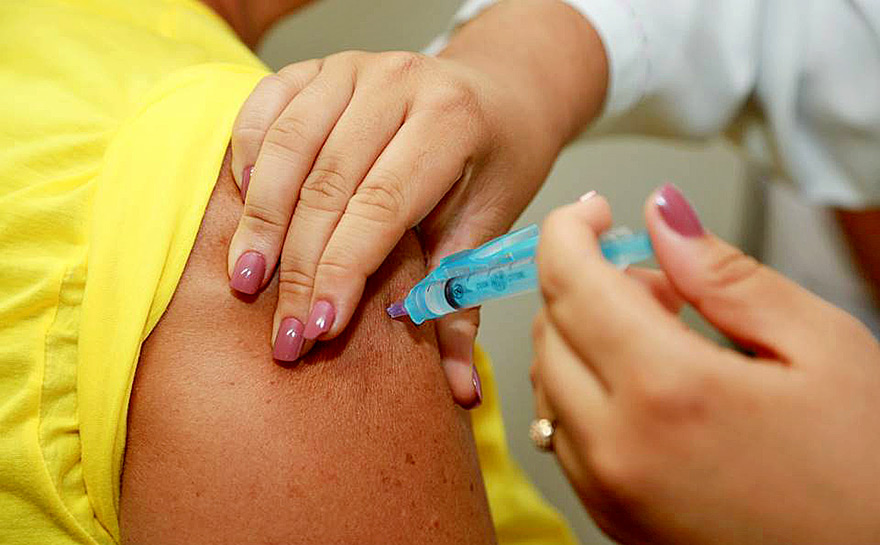
Once the immune system successfully fights a virus, How Your Immune System Fights Viruses leads to it creating memory about that virus. One of the unique features of the adaptive immune system is the formation of memory T-cells and memory B-cells. These cells survive for a long time in our body and preserve information about the virus’s antigen during the first infection. If the same virus enters the body again in the future, these memory cells quickly become active and create a much faster and stronger immune response. As a result, if infected a second time, the symptoms of the disease may not be seen, or may be extremely light. This is the process through which vaccines work. Vaccines teach the immune system to make memories of the weak or inactive virus, so that the body can be prepared against the actual virus in the future.
Challenges and the Effectiveness of the Immune System
Although How Your Immune System Fights Viruses is a very effective process, there are some challenges. Some viruses, such as flu viruses, are constantly changing their own structure (mutating), so the immune system has to recognize them anew every year. This requires regular updates of the flu vaccine. Again, some viruses can evade or weaken the immune system, such as HIV. It is complicated to maintain the effectiveness of the immune system in the fight against such a virus. In addition, age, nutrition, and other health conditions can affect the energy of the immune system. Scientists are constantly researching the procedures of the immune system so that new and effective medical procedures and vaccinations can be developed. These studies are very important to strengthen our war against the virus and protect public health.