
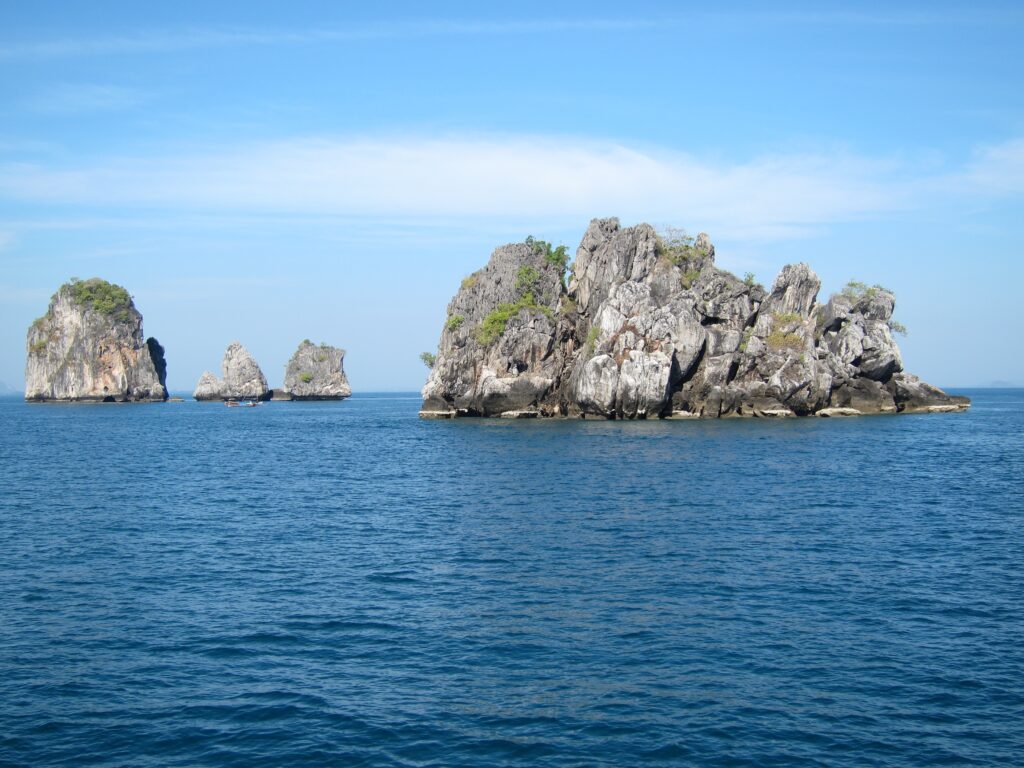
Barren Island, located in the Andaman Sea of India, is not just an island; it’s a burning wonder of nature. It’s India’s only active volcano and the only known one in South Asia. Its eruptions have been ongoing for decades, sometimes emitting lava at a slow pace, and at other times spewing ash and smoke, constantly asserting its presence. The island is a fiery mystery of nature, a living testament to India’s geological history and volcanic activity. This burning island truly lives up to its name.
The name of this island perfectly suits its character – “barren.” Its rough, rocky terrain, marks of lava flow, and lack of vegetation enhance its ruggedness. Scientists and travelers are highly interested in this burning island, as it provides crucial information about the Earth’s subsurface processes. It’s more than just a geographical location; it’s a constant exhibition of our planet’s internal energy, with its fire sustained over time.
Geological Structure and Activity of Barren Island:
Barren Island is situated at the tectonic boundary of the Indo-Australian and Burma plates. The collision of these two plates led to the formation of the Andaman Islands and the active volcanoes in the region. Barren Island is a stratovolcano, meaning it’s formed from layers of ash, lava, and rock fragments, giving it a characteristic cone shape.
The activity of this volcano has been documented since the late 18th century. The last major eruption occurred in 2021, emitting ash and smoke for a prolonged period. Before that, a significant eruption took place in 1991, awakening after being dormant for almost two hundred years. Since then, it has been irregularly active. Its eruptions are typically effusive, meaning the lava flows slowly, which is relatively less destructive. This makes studying the burning island a fascinating endeavor.
Biodiversity and Environmental Impact:
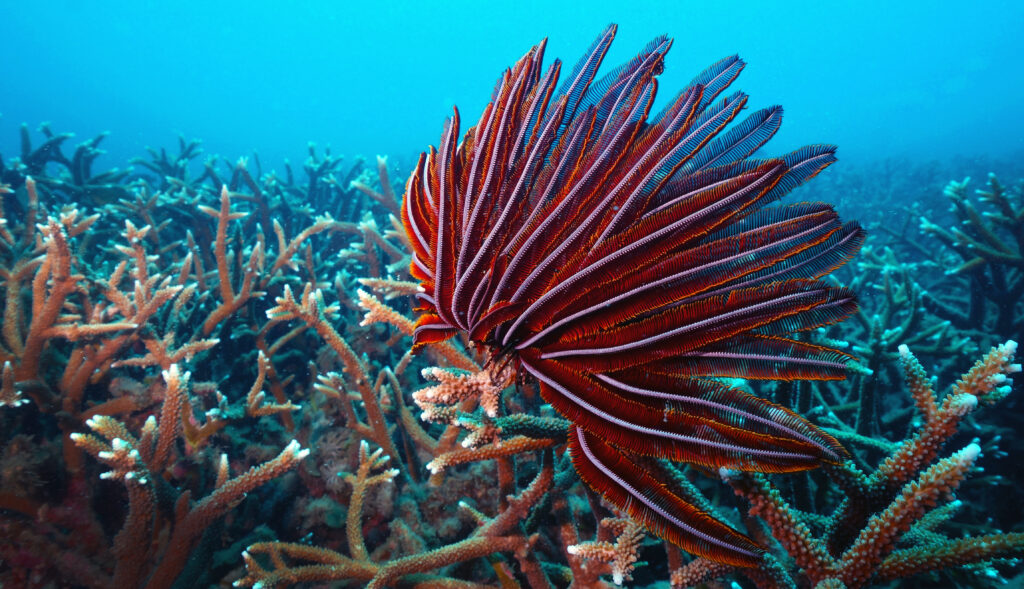
Despite the harsh environment of Barren Island, some unique biodiversity thrives here. Due to its isolated location and volcanic activity, plants and animals have developed special adaptations. Goats, birds, and some rat species are found here, surviving by utilizing the island’s limited resources. Some marine organisms also inhabit the seawater around the island, although volcanic activity affects them.
The eruptions have both immediate and long-term impacts on the island’s environment. Lava flows reshape the land, destroy vegetation, and affect the marine ecosystem. However, over time, new soil forms, and life returns, demonstrating nature’s remarkable ability to regenerate. Scientists study the ecosystem of this burning island to understand how life survives and develops in extreme environmental conditions.
Access and Tourism:
Barren Island is a protected and sensitive area. Access is restricted according to the strict rules of the Indian authorities. Tourists are typically not allowed within 5 km of the island and can view the volcano from a distance from a deck. The Andaman and Nicobar Islands can be accessed by boat or small ships, but direct landing on the island is prohibited.
Although tourism is limited, its scientific importance and natural wonder have made it an interesting destination. It attracts bold explorers and science enthusiasts who wish to witness the Earth’s internal power. However, strict restrictions have been imposed to ensure both environmental protection and visitor safety due to the potential volcanic hazards. The mystique of this burning island continues to draw attention.
Other Active Volcanoes and Global Context:
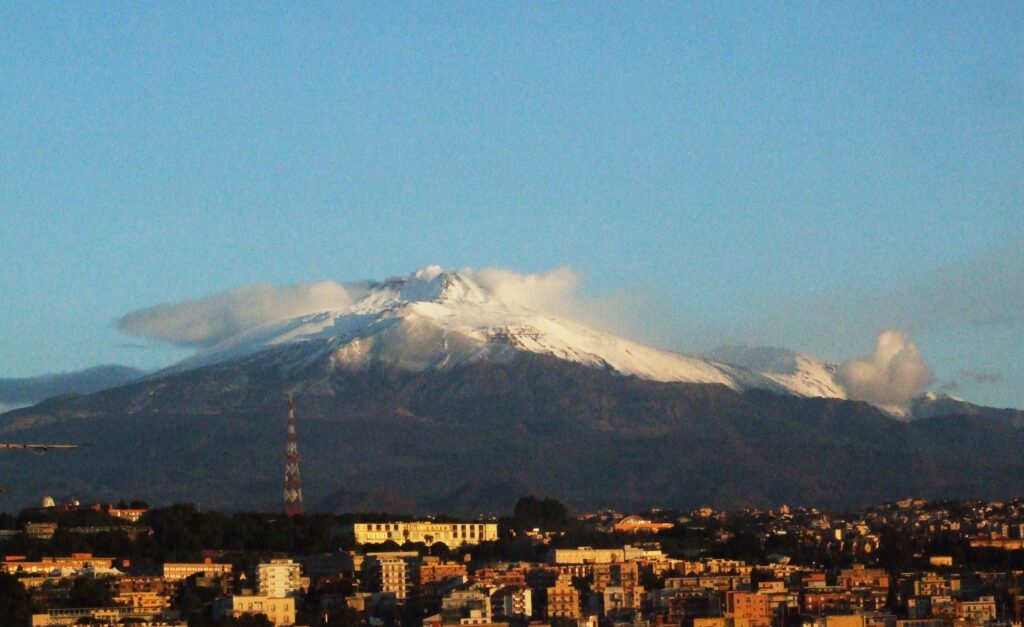
While Barren Island is India’s only active volcano, many more active volcanoes exist in other parts of the world, serving as proof of global geological activity. For example, Kilauea in Hawaii, Mount Etna in Italy, and Mount Fuji in Japan are all active volcanoes. These volcanoes exhibit different dimensions of activity, regularly emitting lava, with some suddenly reawakening after long periods of dormancy. The burning island is a powerful example of this global phenomenon.
Active volcanoes, like Barren Island, teach us that the Earth is a dynamic planet with ongoing subsurface processes. Studying these volcanoes helps predict earthquakes, tsunamis, and other natural disasters, which is crucial for humanity. The burning island is an integral part of geological research, unraveling the deep mysteries of our planet. Its consistent activity makes it a prime subject for study, offering insights into volcanic behavior. The burning island offers a unique perspective on the Earth’s fiery core. The burning island is a constant reminder of our planet’s power.
Conclusion:
India’s Barren Island is not just a geographical place; it’s a living laboratory that highlights the continuous flow of our Earth’s internal energy. Its eruption for decades serves as an important monument, reminding humankind that nature works at its own pace and its power is overwhelming. This burning island is a unique part of India’s geological landscape, an endless source of attraction for scientists, environmentalists, and travelers. Active volcanoes, such as Barren Island, remind us of our planet’s wonderful and powerful nature, and it is essential for future generations to preserve them. The burning island stands as a testament to the Earth’s ongoing geological processes.