
The phrase “Why Some Cultures Have Grooms Crying on Purpose Before the Wedding” indicates this text is specifically about the groom’s intentional weeping before marriage. While this might seem unusual in Western culture, it often involves a beautiful mix of deep emotions and humor. This practice isn’t just strange; it reveals the mental preparation of different cultures and their attitudes towards marriage. It’s a wonderful example of cultural diversity, where the expression of emotions takes varied forms.
Such practices often developed as part of ancient beliefs, family values, and social customs. This tradition of grooms crying on purpose, though seemingly strange, is likely about preparing for a new life, the emotions of saying goodbye, and the desire for future happiness. The inclusion of humor probably serves to lighten this serious moment and spread joy within the community. It proves how diverse the expression of emotions in human culture can be, and how a practice can last for ages.
“Why Some Cultures Have Grooms Crying on Purpose Before the Wedding”: A Strange Yet Deep Practice
Marriage is a sacred and important event in every culture worldwide. However, the question “Why some cultures have grooms crying on purpose before the wedding” indicates a tradition that might seem a bit strange in the Western world. It’s a tradition where grooms are deliberately encouraged to cry before marriage, showcasing a wonderful combination of emotional preparation and humor. This practice isn’t just an exceptional ritual; behind it lies the deep mentality of that culture, their attitude towards marriage and family life. It shows how diverse the manifestation of human emotions can be, and how a single practice survives in a society for ages. This practice proves that laughter and crying can have a subtle yet important connection, which makes the significant moments of life more meaningful.
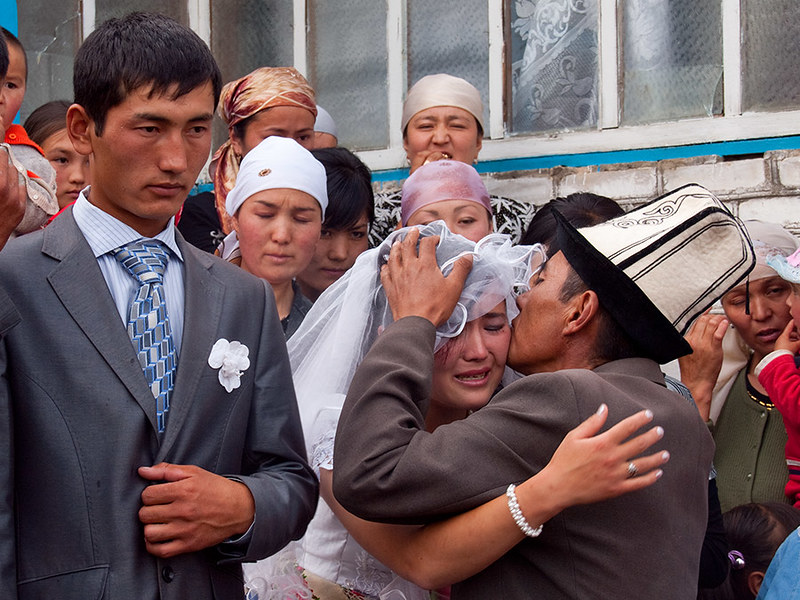
Such practices are usually found in East Asian culture, especially in some parts of China. For example, among the Tujia people of China, there’s a tradition called “Zuo Tang” (坐堂), where not only the bride but also the groom has to cry at certain times before marriage. Behind it lies a long tradition, which symbolizes the beginning of farewell, reunion, and new life. It highlights not only the personal emotions of the bride or groom but also the joint participation of family members and the integrity of the community. These traditions remind us that important events like marriage aren’t limited to legal or religious obligations but are associated with people’s deep emotions, heritage, and social values. This specific ritual of grooms crying on purpose exemplifies such cultural depth.
The Symbolic Meaning of Crying and its Historical Context:
These traditions imbue crying with deep symbolic meaning. Generally, tears are a symbol of grief, suffering, or separation, but in this particular case, their meaning can be different. In some cultures, deliberate crying before marriage is seen as an “outburst of sorrow,” where the groom prepares himself for his past life, bachelorhood, and bidding farewell to his parents. It’s a kind of emotional purification that helps him become a responsible future husband. In the historical context, in many societies, marriage was not just a meeting of two people but an agreement between two families. The cry of the bride or the groom expressed the importance of this change and their deep love for their family.
In the “crying marriage” of the Tujia people of China, both the bride and the groom have to cry at a certain time every month before marriage. This crying is seen as part of the separation and the transformation into a new life. It’s said that the more the bride cries, the happier her future will be. Although its circulation is somewhat less for the groom, in some tribes, grooms crying on purpose are also seen taking part in this ritual, which highlights their emotional maturity and responsibility to the family. It’s a traditional belief that this crying will bring happiness and prosperity to their household in the future.
Emotional Preparation and a Combination of Humor:
The combination of “emotional preparation” and “humor” in this practice makes it even more attractive. Although crying is a serious emotion, in this tradition, it often takes the form of a formality or performance. Sometimes family members or friends try to make the groom laugh or even gently pinch him to encourage him to cry. These moments give birth to laughter and jokes, which lighten the whole environment. Such rituals actually create a balance between the two opposite aspects of life – sorrow and joy. Marriage is the beginning of a new chapter in life, where everything from the past must be left behind to embrace something new. Crying is an emotional reaction to this change, and the humor associated with it makes this transition easier.
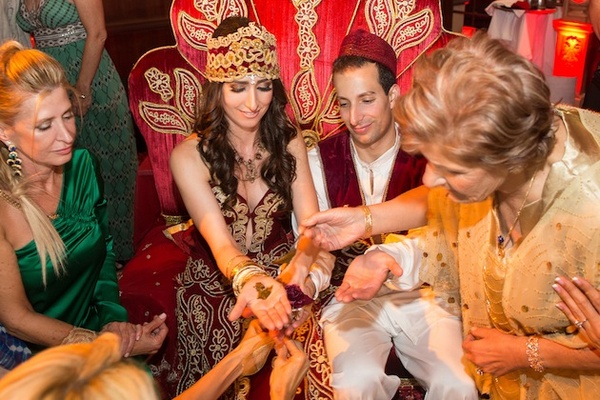
In some cultures, this process of having the grooms crying on purpose is seen as a game, where family members playfully tease him in various fun ways. These funny moments reduce the pressure of wedding preparation and create a joyful environment. It also enhances the feeling of unity and love in the community. These practices actually prove that there is no specific rule for expressing emotions, and they can take different forms in different cultures. Crying here is not a symbol of weakness, but it is a symbol of emotional maturity and preparation for the future.
Examples of Different Cultures and Their Explanations:
One of the most notable examples of this tradition is among the Tujia ethnic group of China. In their “crying marriage,” the groom’s role is also important in addition to the bride’s. The bride starts crying with her mother, then other female members of the family join. The groom is then encouraged to participate in the process. They believe that this crying is a symbol of love for the family and future prosperity. On the other hand, in some rural areas of Japan, there was a tradition of the bride’s grief or crying before marriage, which symbolized bidding farewell to her past life. Although the tradition of grooms crying on purpose is not as prevalent, there are exceptional examples like the Tujia Nation, which prove how many diverse customs surround marriage in different cultures.
These practices are not just customs that have come from the past, but through these, deep beliefs and values of a society are revealed. This practice of saying goodbye through crying carries a positive outlook on the future, where the journey of new joy begins with grief. This is a social process where the members of the community help the newlyweds prepare for their new life and express their support and love for them.
The Relevance of this Practice in Modern Society:
In the modern world, when many traditional customs are on the verge of extinction, such “deliberate crying” rituals are sustained because of their unique and cultural importance. Although their prevalence is lower in urban areas, their importance is immense in rural areas and traditional families. In some cases, these traditions are seen as a way to retain cultural identity and roots. It helps the new generation to learn about the traditions and beliefs of their ancestors. While it may seem a bit strange in the Western world, it is a wonderful example of cultural diversity, which proves how varied the manifestation of human emotions can be.
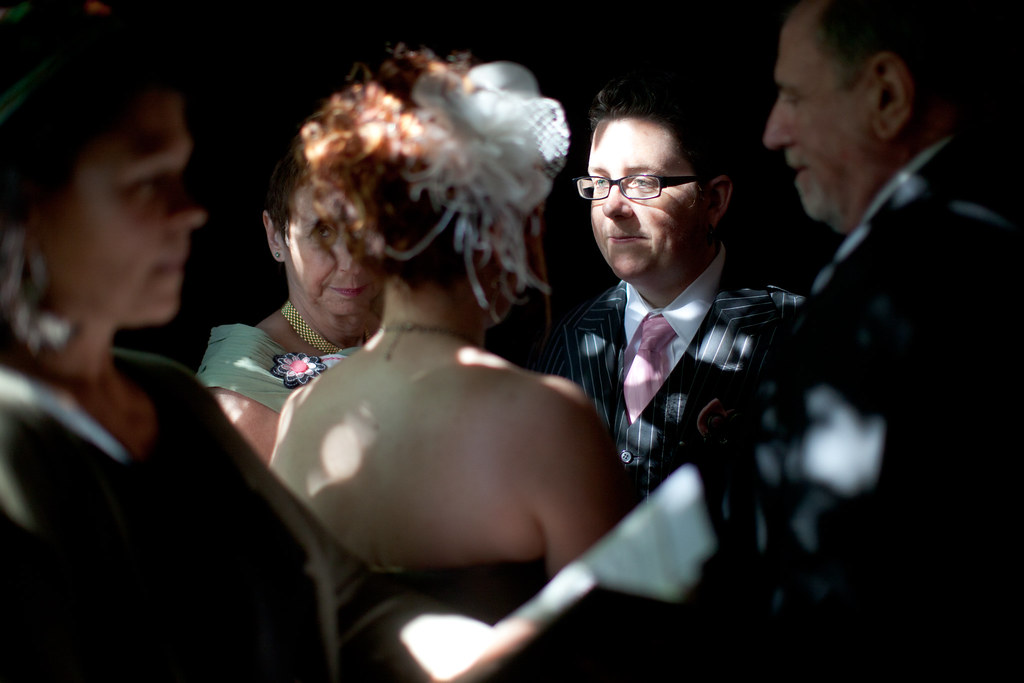
These traditions lighten emotional burdens with humor and add joy to an important event like marriage. It shows that marriage preparation is not only a matter of external grandeur but also deep emotional and mental preparation. In the end, these traditions remind us that each culture has its own story and its own way of expression, which highlights their uniqueness and beauty. The phenomenon of grooms crying on purpose is a testament to this rich cultural tapestry.
Are you interested in any other cultural tradition?